Top 8 innovative Christian start-ups




You can’t say faith-based resources and tech companies aren’t holding their own when it comes to the world start-ups. Whether you’re looking for a new program to organize your ministry, or an easy way to tithe, you can find a professional and godly company to help. Check out some of our favorite innovative Christian start-ups below.
1. Continue To Give
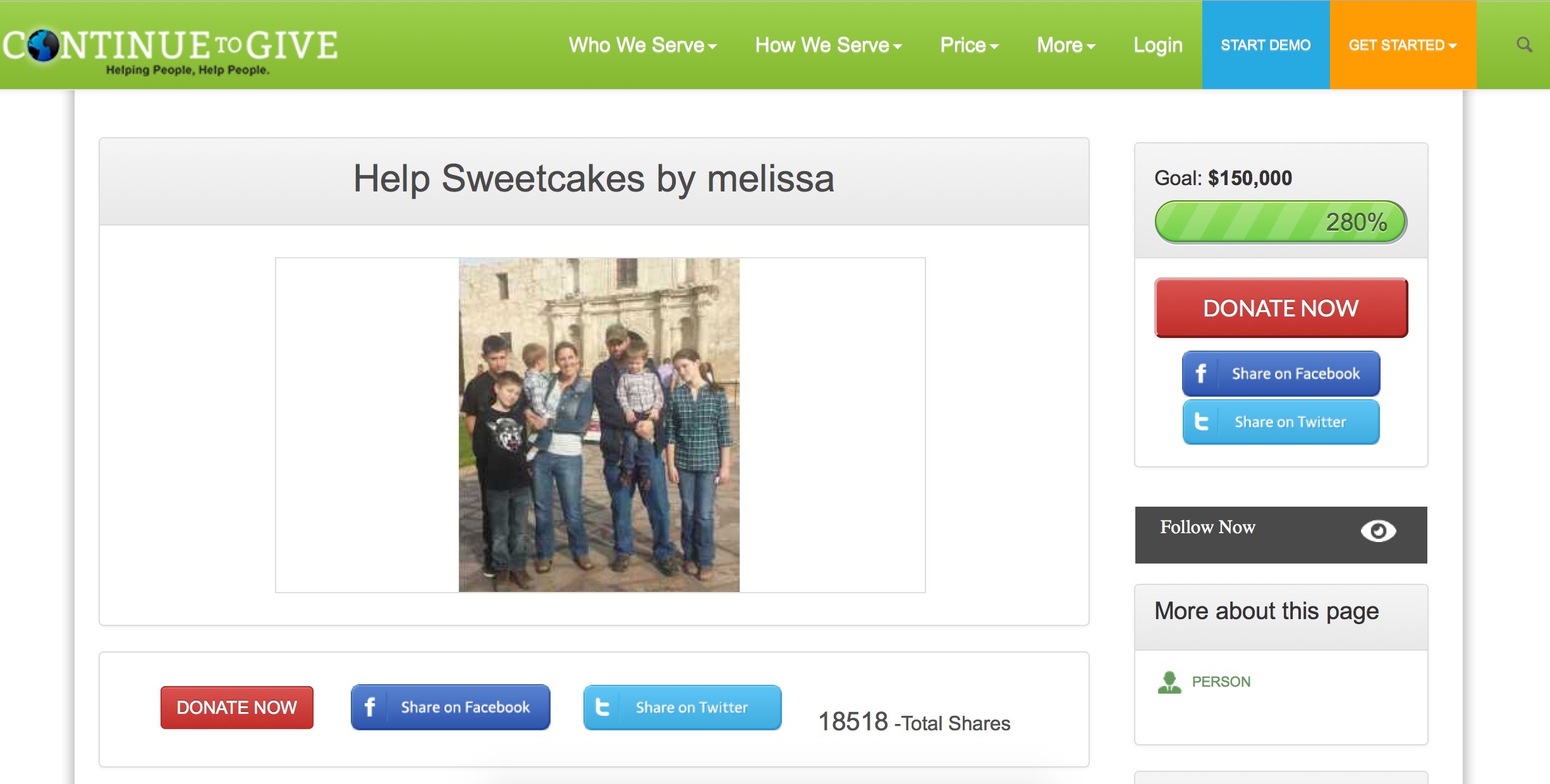
This amazing online platform addresses an all too-common problem — sometimes, it’s just inconvenient to tithe. While inconvenience should never be an excuse to not follow God’s Word, it’s not like there’s an ATM in the church vestibule waiting for you to withdraw cash when the offering plate comes around. If only tithing and making a monetary gift to a godly charity was as easy as shopping on your phone. That’s where Continue To Give comes in. With their mobile giving tools, they make it easy for anyone to make a gift at any time to not only churches, but also missionaries, nonprofits, individuals and more.
2. Soundly Written
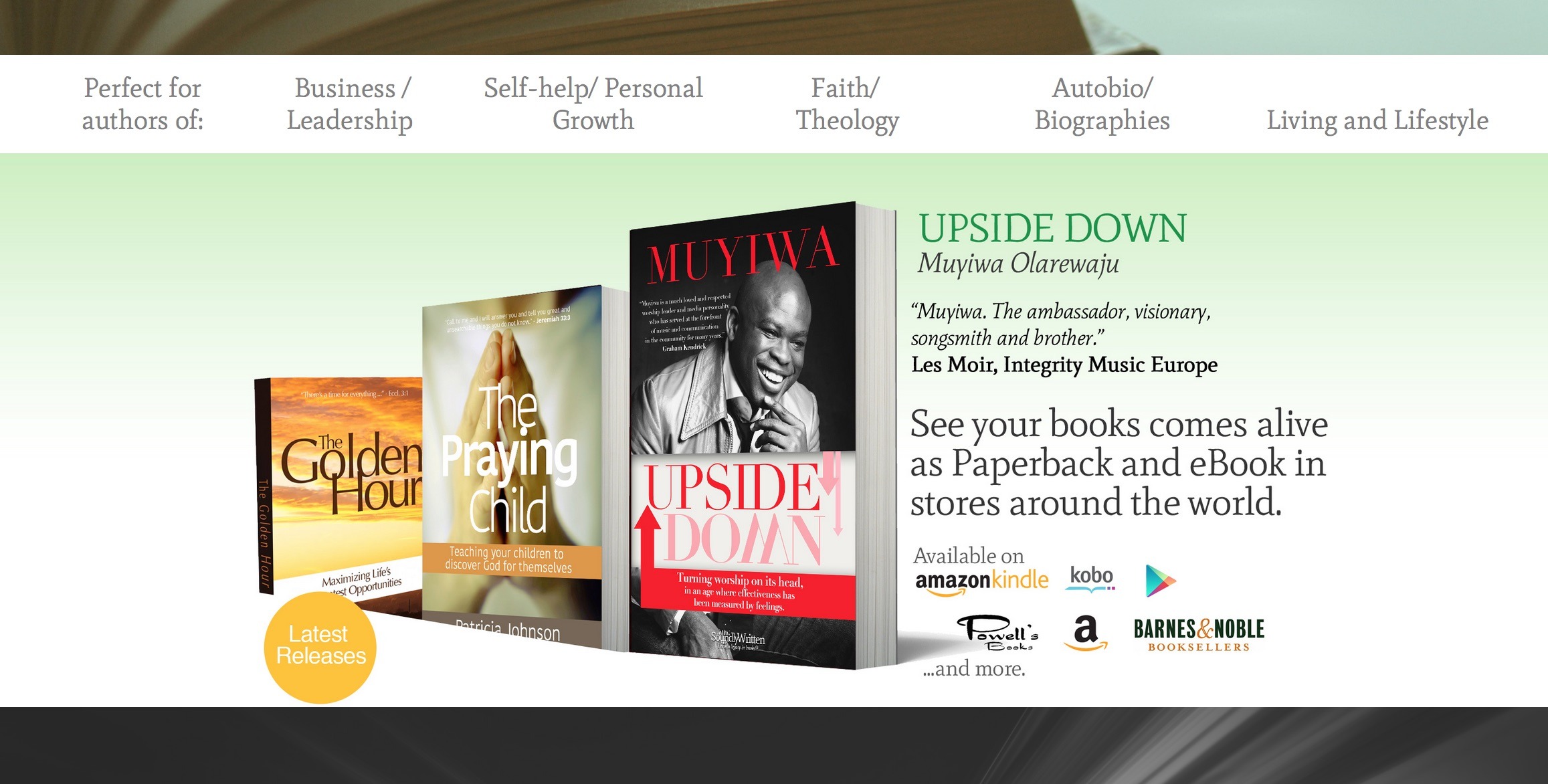
Many pastors, teachers and Christian counselors have idea after idea for Christian books and leadership tools, but simply no time to put pen to paper. Soundly Written enables these individuals to quickly author their text using a profound system to speed up the writing process. Within weeks, a book can be completed and ready to read by those who need to hear your message most. How does it work? By producing a book from your voice recordings, making it easy to turn sermons or lessons straight into your own publication.
3. Faith Box

There are lots of great subscription boxes out there, no matter what you’re into. Love to cook? You can get a box of ingredients and recipes delivered right to your door. Have a passion for makeup? Get the latest trends on a monthly basis. Want to see your faith grow by leaps and bounds each month? Now, there’s a subscription box for that too. Faith Box is a monthly subscription that delivers a box full of faith-centered goodies straight to you. Each contains not only a great devotional, but also a variety of eco-friendly and fun items. Better yet, each box you purchase provides three meals to a child at a Christian orphanage.
4. Right Now Media

For those needing some encouragement or guidance on the go, there’s Right Now Media, which proudly boasts it’s the “Netflix for the church.” This service offers a huge digital library of videos, all of which are professionally filmed sermons and lessons from top and highly respected pastors and Christian leaders. In addition to their regular line-up of offerings, they’re also creating the new Right Now Media at Work, which is an invaluable resource for Christian business owners and business leaders, to develop the skills needed to serve their employees and co-workers in a Christ-like manner.
Website link
5. Elvanto
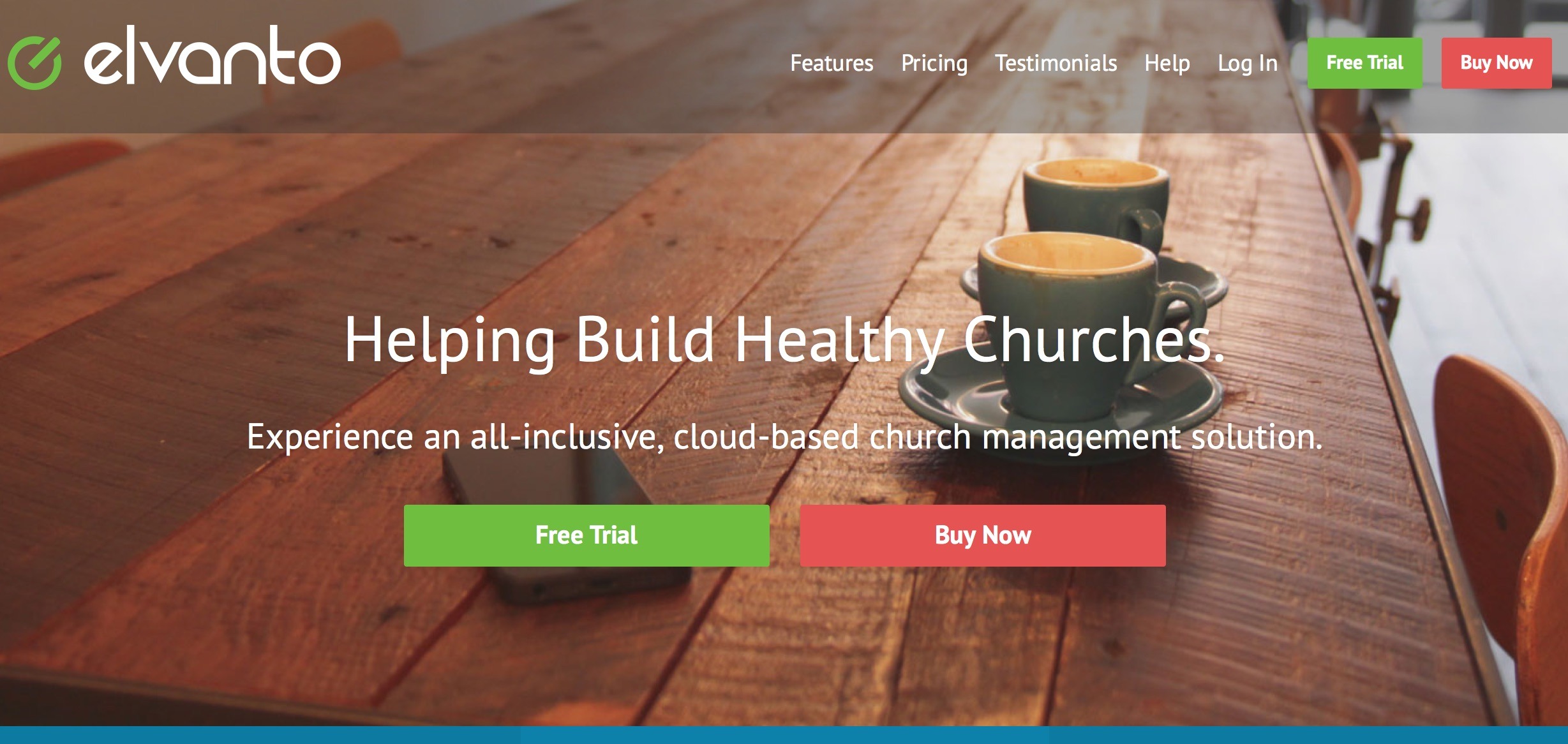
For the tech-savvy (and not so tech-savvy) church, there’s Elvanto. This is a one-stop shop for all of your tech needs. From an easy way to manage events and classes, to a way to record weekly giving and finances, to a simple way to check children in to class, this is the way to go if you want to ensure you’re on top of everything, with one simple tool. Pricing is set up according to the number of active adults in your church and if your church is under 100 members, your membership starts at only $30.
6. The Church App
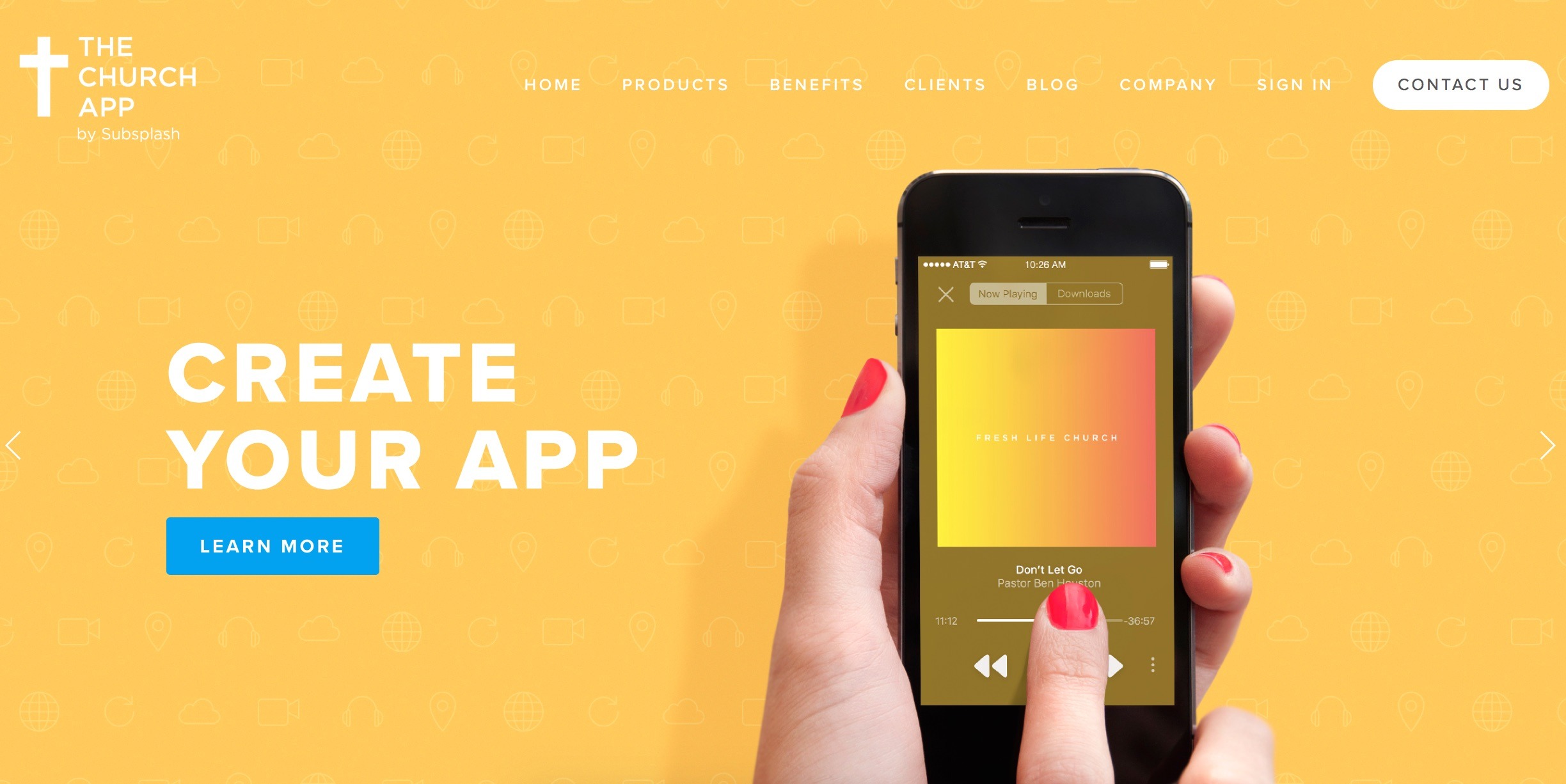
The Church App is the way to build and create your church’s very own app from the ground up. When your members and members of your community are able to access your church’s information right from their phones, you’ll see engagement, giving and attendance begin to grow. The service is used by some of the most popular and high-profile ministries around, including the Billy Graham Evangelistic Association.
7. Faith Street
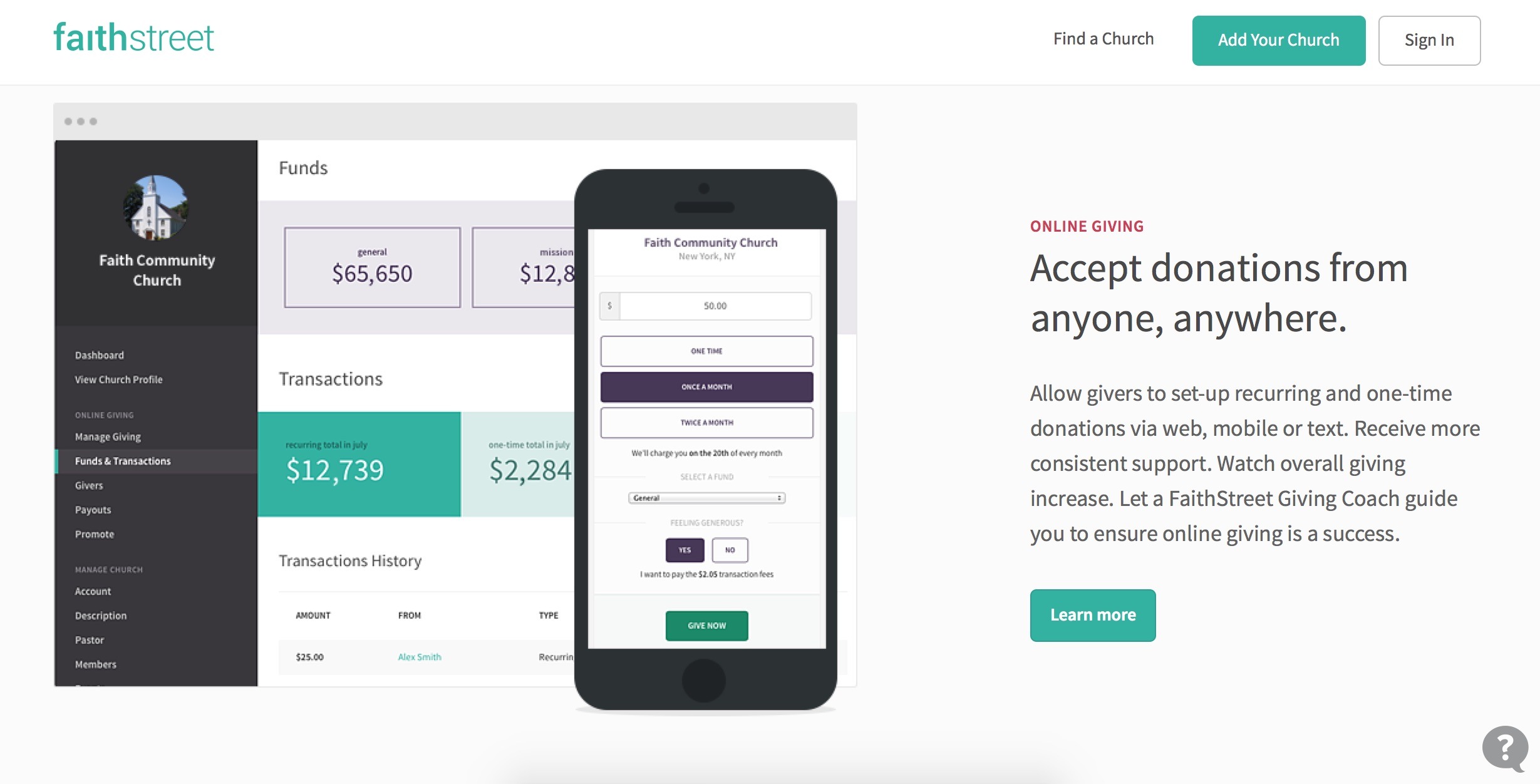
For community members, Faith Street is an easy way to find churches near you. With profiles, maps and other handy features, it’s a simple and easy-to-use tool. It also allows you to manage your church giving, whether you want to give to one church consistently, or mix it up. For churches, it’s an excellent way to build a profile and brand, so that the community members you’re looking for find you easily.
8. 4Soils
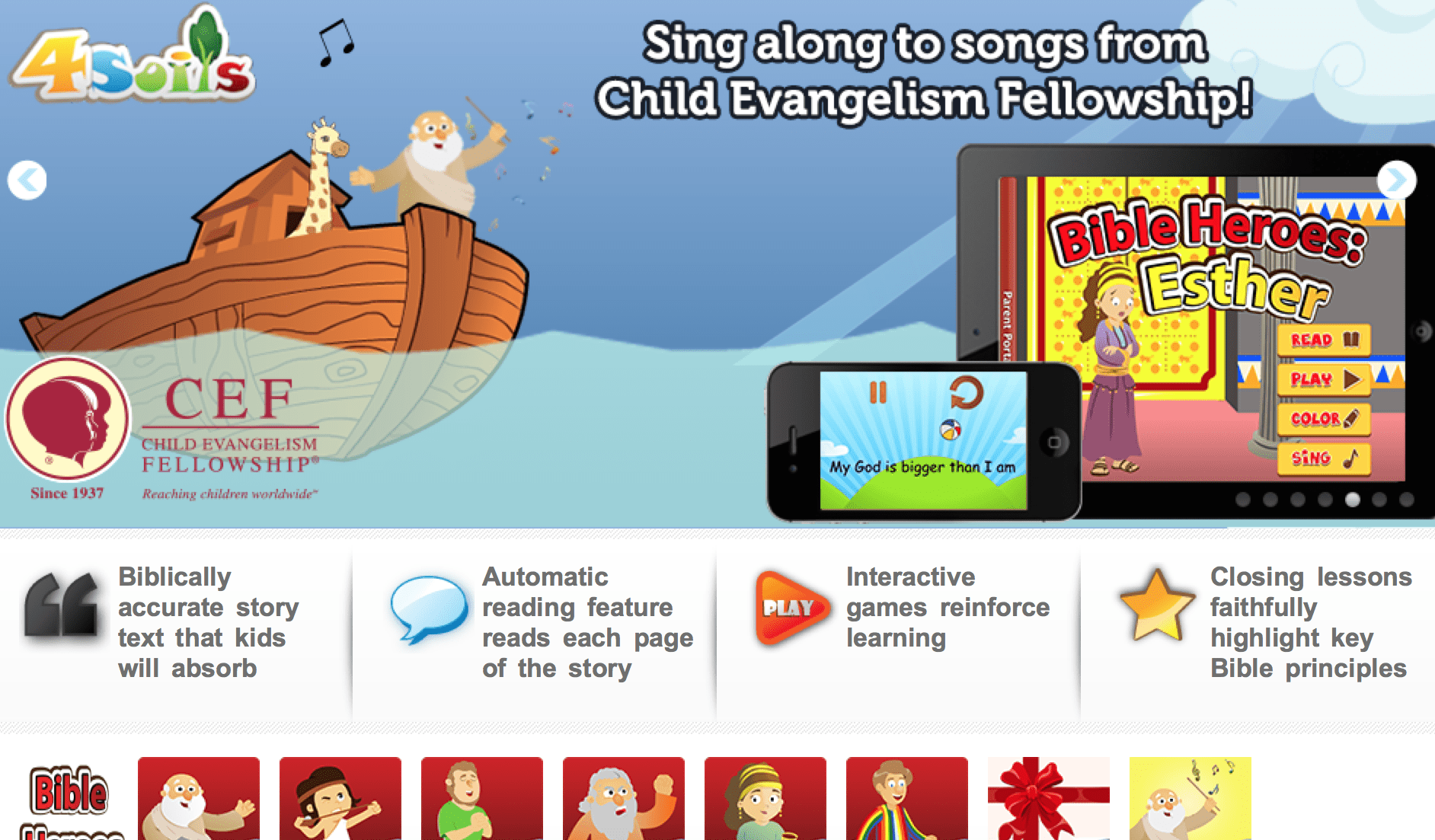
4 Soils is a ministry all about the kids, one of the most important groups in the church, as they form the Christian leadership of tomorrow. Offering downloadable apps for Apple products, the apps teach children biblically accurate stories and features fun, educational games. Even for children who aren’t able to read quite just yet, the app will automatically read each page if needed, for easy listening, no matter where you are. Stories to choose from include the life of Christ and stories of Biblical heroes.
Website link

Business Startup Costs: It’s in the Details
There's more to a business than furnishings and office space. Especially in the early stages, startup costs require careful planning and meticulous accounting. Many new businesses neglect this process, relying instead on a flood of customers to keep the operation afloat, usually with abysmal results.
KEY TAKEAWAYS
- Startup costs are the expenses incurred during the process of creating a new business.
- Pre-opening startup costs include a business plan, research expenses, borrowing costs, and expenses for technology.
- Post-opening startup costs include advertising, promotion, and employee expenses.
- Different types of business structures—like sole proprietorships, partnerships, and corporations—have different startup costs, so be aware of the different costs associated with your new business.
Startup costs are the expenses incurred during the process of creating a new business. All businesses are different, so they require different types of startup costs. Online businesses have different needs than brick-and-mortars; coffee shops have different requirements than bookstores. However, a few expenses are common to most business types.
Understanding Common Business Startup Costs
The Business Plan
Essential to the startup effort is creating a business plan—a detailed map of the new business. A business plan forces consideration of the different startup costs. Underestimating expenses falsely increases expected net profit, a situation that does not bode well for any small business owner.
Research Expenses
Careful research of the industry and consumer makeup must be conducted before starting a business. Some business owners choose to hire market research firms to aid them in the assessment process.
For business owners who choose to follow this route, the expense of hiring these experts must be included in the business plan.
Borrowing Costs
Starting up any kind of business requires an infusion of capital. There are two ways to acquire capital for a business: equity financing and debt financing. Usually, equity financing entails the issuance of stock, but this does not apply to most small businesses, which are proprietorships.1
For small business owners, the most likely source of financing is debt in the form of a small business loan. Business owners can often get loans from banks, savings institutions, and the U.S. Small Business Administration (SBA). Like any other loan, business loans are accompanied by interest payments. These payments must be planned for when starting a business, as the cost of default is very high.2
Insurance, License, and Permit Fees
Many businesses are expected to submit to health inspections and authorizations to obtain certain business licenses and permits. Some businesses might require basic licenses while others need industry-specific permits.3
Carrying insurance to cover your employees, customers, business assets, and yourself can help protect your personal assets from any liabilities that may arise.
Technological Expenses
Technological expenses include the cost of a website, information systems, and software, including accounting and point of sale (POS) software, for a business. Some small business owners choose to outsource these functions to other companies to save on payroll and benefits.
Equipment and Supplies
Every business requires some form of equipment and basic supplies. Before adding equipment expenses to the list of startup costs, a decision has to be made to lease or buy.
The state of your finances will play a major part in this decision. Even if you have enough money to buy equipment, unavoidable expenses may make leasing, with the intention to buy at a later date, a viable option. However, it is important to remember that, regardless of the cash position, a lease may not always be best, depending upon the type of equipment and terms of the lease.
Advertising and Promotion
A new company or startup business is unlikely to succeed without promoting itself. However, promoting a business entails much more than placing ads in a local newspaper.
It also includes marketing—everything a company does to attract clients to the business. Marketing has become such a science that any advantage is beneficial, so external dedicated marketing companies are most often hired.
Employee Expenses
Businesses planning to hire employees must plan for wages, salaries, and benefits, also known as the cost of labor.
Failure to compensate employees adequately can end in low morale, mutiny, and bad publicity, all of which can be disastrous to a company.
Additional Startup Cost Considerations
Have some extra money set aside for any overlooked or unexpected expenses. Most companies fail because they lack the cash to deal with unexpected problems during the business season.
It is important to note that the startup costs for a sole proprietorship differ from the startup costs for a partnership or corporation.4 Some additional costs a partnership might incur include the legal cost of drafting a partnership agreement and state registration fees.
Other costs that may apply more to a corporation include fees for filing articles of incorporation, bylaws, and terms of original stock certificates.
Launching a new business can be invigorating. However, getting caught up in the excitement and neglecting the details can lead to failure. Above anything else, observe and consult with others who have traveled this road before—you never know where you might learn the business advice that helps your particular business succeed.


No comments:
Post a Comment